Why Is Your Vehicle’s Paint Becoming Dull Even Without Visible Damage?
Vehicle paint can become dull even when there are no obvious scratches, dents, or accident damage. The change usually happens in the clear coat—the transparent outer layer that gives the color beneath it depth and reflection. Fine wash marks, bonded contamination, oxidation, mineral residue, and product buildup can roughen or cloud that surface until light no longer reflects cleanly.
A normal wash removes loose dirt, but it cannot correct defects or contaminants that have become attached to the finish. That is why a freshly washed car can still look gray, hazy, or lifeless in direct sunlight. The right solution depends on whether the problem is residue on top of the paint, contamination bonded to it, or damage within the clear coat.
What Makes Clean Car Paint Look Dull?
Gloss depends on a smooth, clean surface. When the clear coat is level, light reflects in an organized direction and the finish looks sharp. When microscopic defects or deposits interrupt that surface, light scatters. The color may still be intact, but the reflection appears cloudy.
Several conditions can create the same dull appearance, which is why diagnosis matters before polishing or applying another product.
- Fine wash marring: Improper hand washing, worn towels, dry wiping, or brush-style automatic washes can create thousands of very small marks. These defects are often difficult to see in shade but become obvious under the sun or an inspection light.
- Bonded contamination: Brake dust, rail dust, overspray, road film, tree sap mist, and other particles may remain after washing. A contaminated surface can feel rough and may look muted even when it is clean.
- Oxidation and weathering: Sunlight, heat, oxygen, and repeated environmental exposure gradually age automotive finishes. Early oxidation can reduce clarity; advanced clear-coat failure may appear chalky, cracked, or peeling.
- Mineral or chemical residue: Water deposits, road salt, bug residue, bird droppings, and tree sap can leave stains or etching when they remain on the surface.
- Product buildup: Uneven wax, old sealant, oily glaze, or soap residue can temporarily mask clarity and make paint look smeared or patchy.
Why Dullness Can Develop Without a Visible Scratch
A scratch does not need to be deep enough to catch a fingernail to affect gloss. Circular wash marks and fine haze are shallow, but together they change how a large painted panel reflects light. In dark colors, this often looks like spiderwebbing around the sun. On lighter colors, the finish may simply lose crispness.
Contamination creates a similar effect without cutting into the paint. Tiny particles sit above or become embedded in the surface, giving it a rough texture and reducing reflection. Adding wax over contamination may produce short-lived shine, but it does not remove the underlying problem.
How Lancaster Driving Conditions Affect Vehicle Gloss
Vehicles in Lancaster County experience changing conditions throughout the year. Winter road salt and traffic film can remain on lower panels. Spring pollen and agricultural dust can build up quickly, while summer heat can bake bug residue, tree sap, and mineral deposits onto the finish. Frequent driving on Route 30, Route 222, or Route 283 also exposes paint to road debris and airborne contamination.
These conditions do not guarantee paint damage, but leaving contamination in place or cleaning it with aggressive methods increases the risk of staining and wash-induced marring. Consistent, careful maintenance is more effective than waiting for the finish to become visibly dull.
How Professionals Diagnose Dull Automotive Paint
A professional inspection should identify the least aggressive method capable of improving the finish. The process commonly begins with a thorough wash and chemical decontamination, followed by inspection under focused lighting. A technician may feel the surface for bonded contamination, examine isolated defects, and measure paint thickness before recommending machine polishing.
- If the paint feels rough: Bonded contamination may be the primary cause, so decontamination should come before polishing.
- If the finish looks hazy under bright light: Fine swirls, oxidation, or previous polishing haze may be reducing clarity.
- If the surface has isolated rings or stains: Mineral deposits or chemical etching may require targeted treatment.
- If the clear coat is peeling: Detailing cannot restore a layer that has delaminated. Repainting by a qualified body shop is usually required.
Can Paint Correction Restore a Dull Finish?
Paint correction can significantly improve dullness caused by removable contamination, light oxidation, wash haze, and surface-level defects. After the vehicle is cleaned and decontaminated, a technician uses a suitable combination of machine polisher, pad, and abrasive to refine a very small portion of the clear coat. The goal is to create a more level surface while preserving as much paint as possible.
The amount of improvement depends on the vehicle’s paint history, thickness, defect depth, and overall condition. Not every scratch should be chased, and a responsible detailer will balance appearance with long-term clear-coat preservation.
How to Keep Restored Paint Looking Glossy
Once clarity has been restored, maintenance determines how well the finish holds up. Use a pH-appropriate automotive shampoo, clean wash media, and soft drying towels. Wash in the shade when the panels are cool, rinse loose dirt before touching the paint, and avoid wiping a dusty vehicle while it is dry.
Remove bird droppings, bug residue, and tree sap promptly with products intended for automotive finishes. During winter, pay attention to rocker panels, lower doors, wheel arches, and the rear of the vehicle where salty road film accumulates. If the paint begins to feel rough or look hazy again, have it inspected before using an aggressive compound.
Where Ceramic Coating Fits After Paint Correction
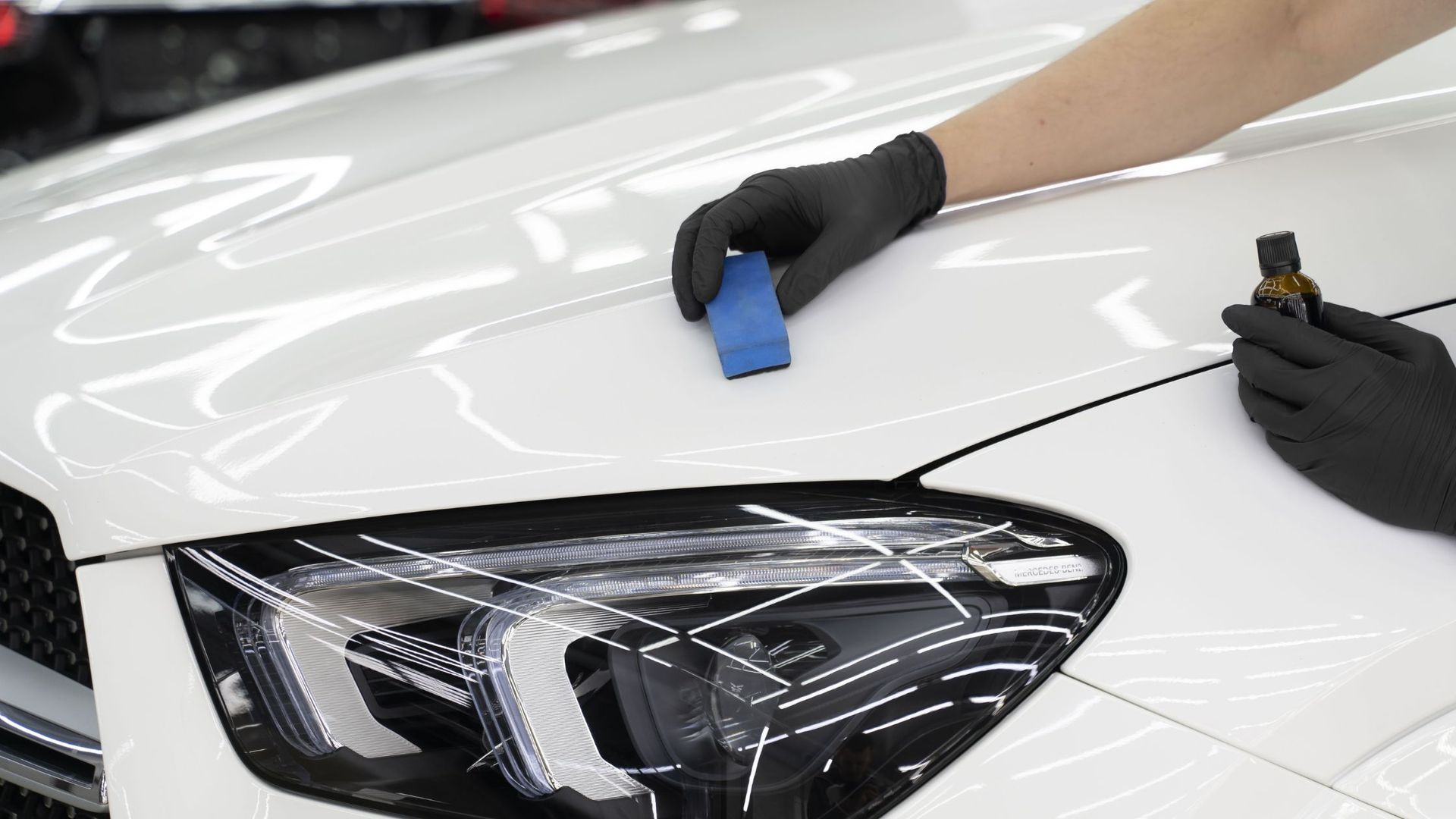
After the surface is properly prepared, a professional ceramic coating service in Lancaster can enhance gloss, add hydrophobic behavior, and make routine cleaning easier. It can also provide a sacrificial layer against some environmental contamination. Because durability varies according to the selected package, installation, vehicle use, and aftercare, drivers should understand How Long Does Ceramic Coating Last before choosing an option. A coating does not make paint scratch-proof, eliminate maintenance, or guarantee that stains and water spots will never form.
Frequently Asked Questions
Why does my paint look dull immediately after washing?
A wash may reveal existing haze rather than cause it. Soap residue, mineral deposits, bonded contamination, and fine wash marks can all remain visible after loose dirt is removed. If the finish stays cloudy when clean and dry, it should be inspected before more wax or polish is applied.
Can wax restore faded or oxidized paint?
Wax can temporarily increase shine, but it does not remove oxidation or level clear-coat defects. Restoration may require decontamination or machine polishing first. If the clear coat is peeling or missing, wax and polishing cannot repair it.
Is paint correction safe for factory paint?
It can be safe when an experienced technician evaluates the finish, measures paint where appropriate, and uses a controlled process. Because polishing removes a small amount of clear coat, the least aggressive effective approach is preferred.
Why do swirl marks show more on dark vehicles?
Dark paint creates stronger contrast around reflected light, making fine circular defects easier to see. Light-colored paint can have similar marring even when it is less obvious.
When does dull paint need repainting?
Repainting may be necessary when the clear coat has cracked, peeled, or delaminated, or when damage extends through the color layer. Surface haze, light oxidation, and wash marring may still be correctable, but an in-person inspection is needed.
Restore Clarity Before Adding More Product
Dull paint is usually a surface-condition problem, not proof that the vehicle needs repainting. The key is identifying whether the finish is affected by residue, contamination, oxidation, or clear-coat defects and then choosing the least aggressive safe treatment. Refined Auto inspects and corrects vehicle paint at its Lancaster studio. Contact the team to schedule an assessment and receive a recommendation based on your vehicle’s actual finish.
Refined Auto Detailing & Coatings Blog