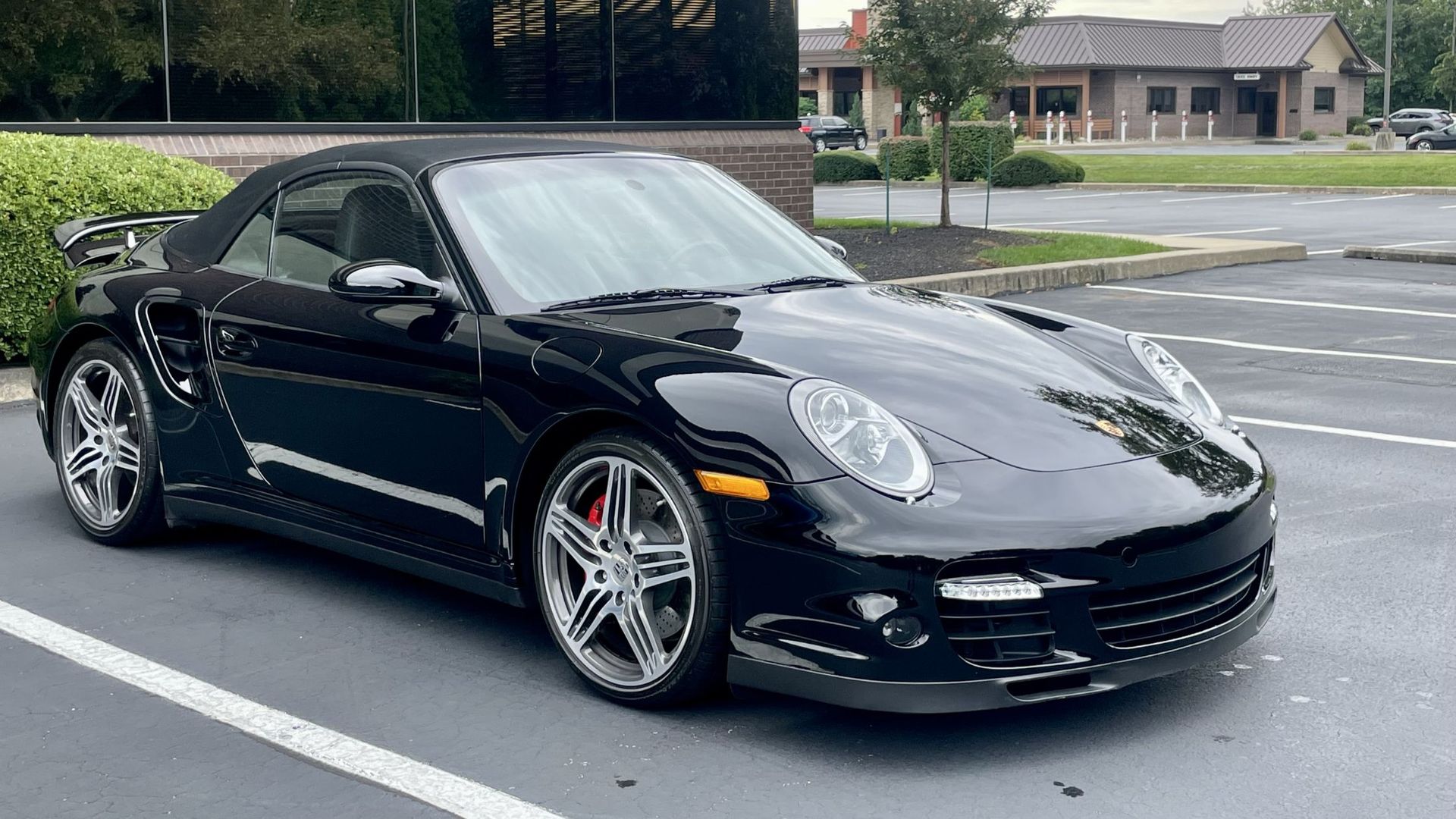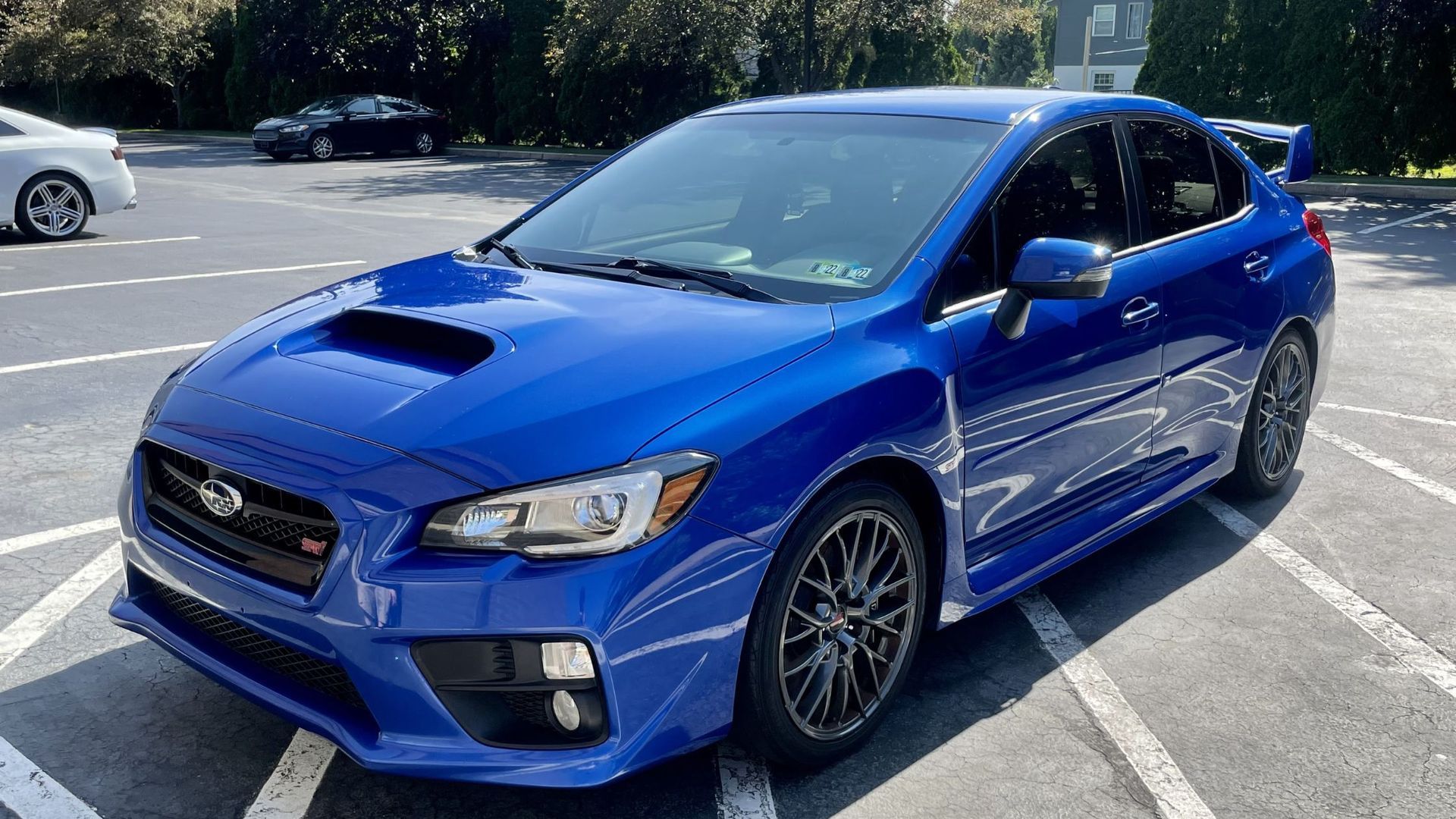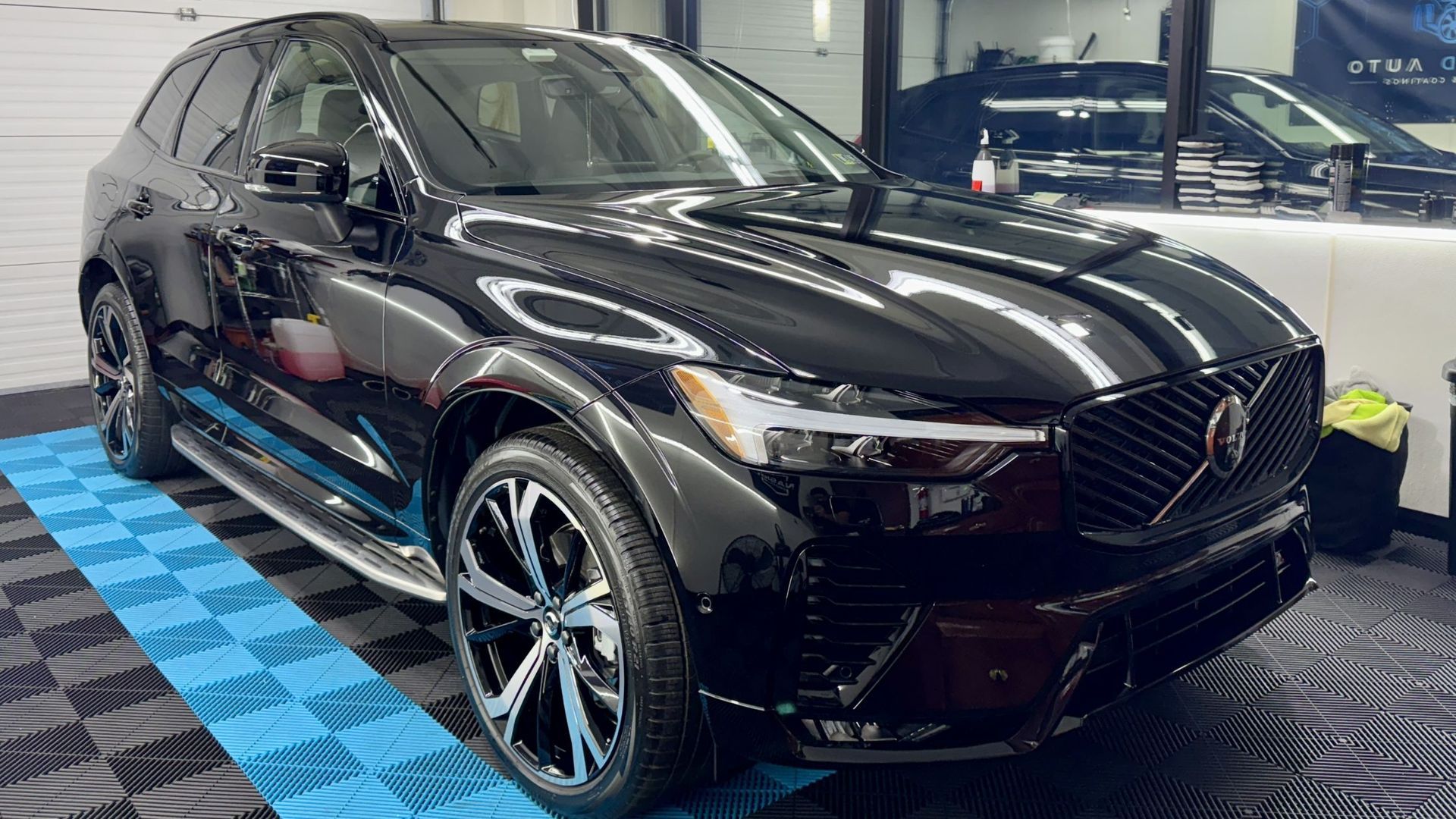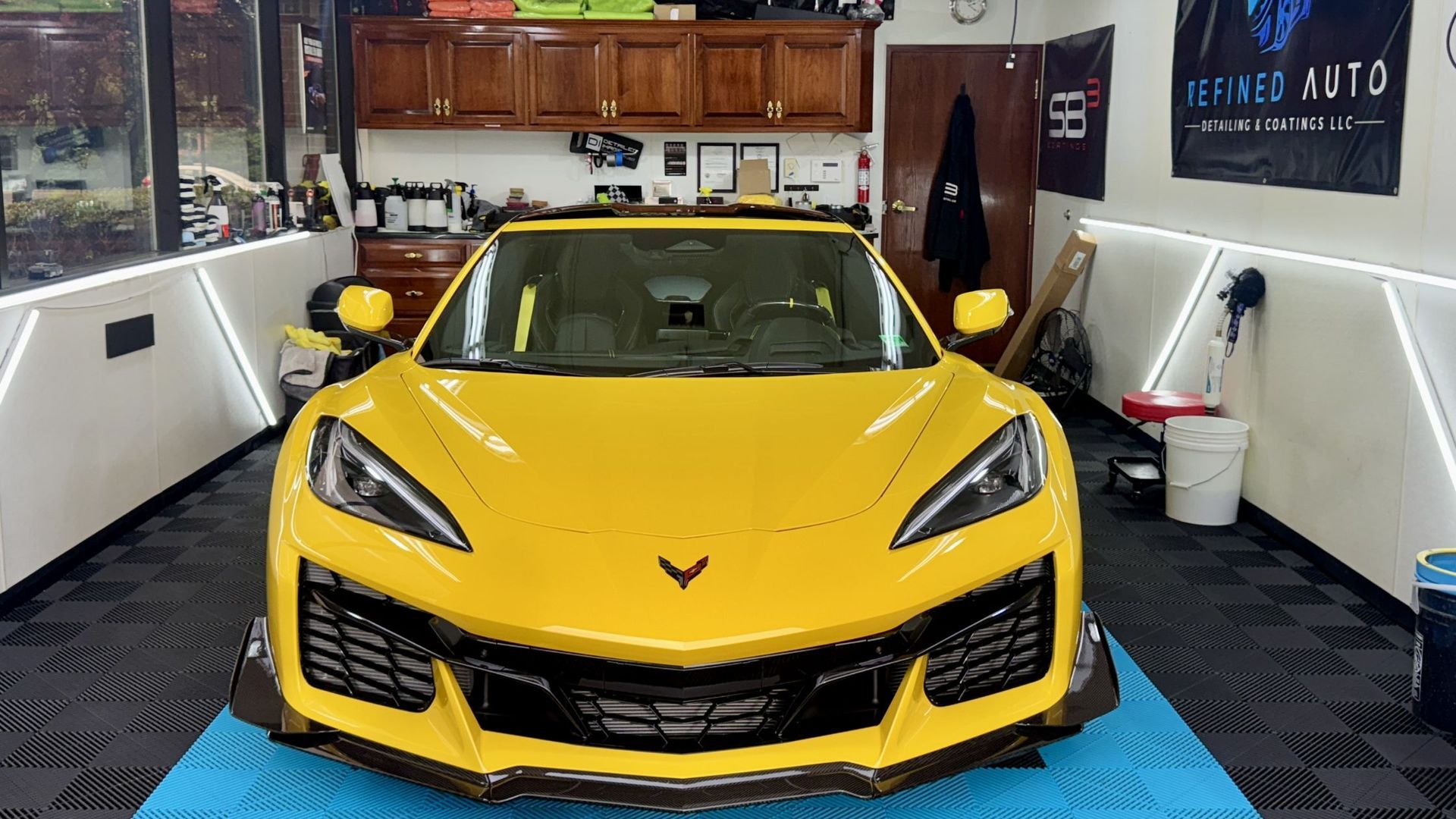
How Long Does Ceramic Coating Last on a Vehicle in Lancaster, PA?
If you are tired of watching your vehicle lose its showroom shine to winter road salt, agricultural dust, road grime, and humid Pennsylvania summers, investing in a high-quality ceramic coating in Lancaster, PA is one of the best ways to protect your vehicle’s appearance. The real question is: how long will that gloss, slickness, and hydrophobic protection actually last?
This guide breaks down the realistic lifespan of ceramic coatings, how Lancaster County driving conditions affect durability, and how proper maintenance helps you get the best long-term performance from your coating.
How Long Does Ceramic Coating Last on a Car?
A professionally installed ceramic coating can last anywhere from a few years to well over five years depending on the coating package, the condition of the paint before installation, how the vehicle is used, and how it is maintained afterward. Entry-level professional coatings and spray-on ceramic products typically offer shorter-term protection, while premium systems such as Ceramic Pro ION and Ultimate ION are designed for longer-lasting durability, stronger chemical resistance, enhanced gloss, and improved hydrophobic performance.
For most daily driven vehicles in Lancaster and south-central Pennsylvania, real-world durability is not based only on the warranty number. Winter road salt, frequent rain, sun exposure, outdoor parking, automatic car washes, and improper washing can all affect how long a coating performs at its best. A garage-kept weekend vehicle will usually maintain peak performance longer than a daily driver that sits outside year-round.
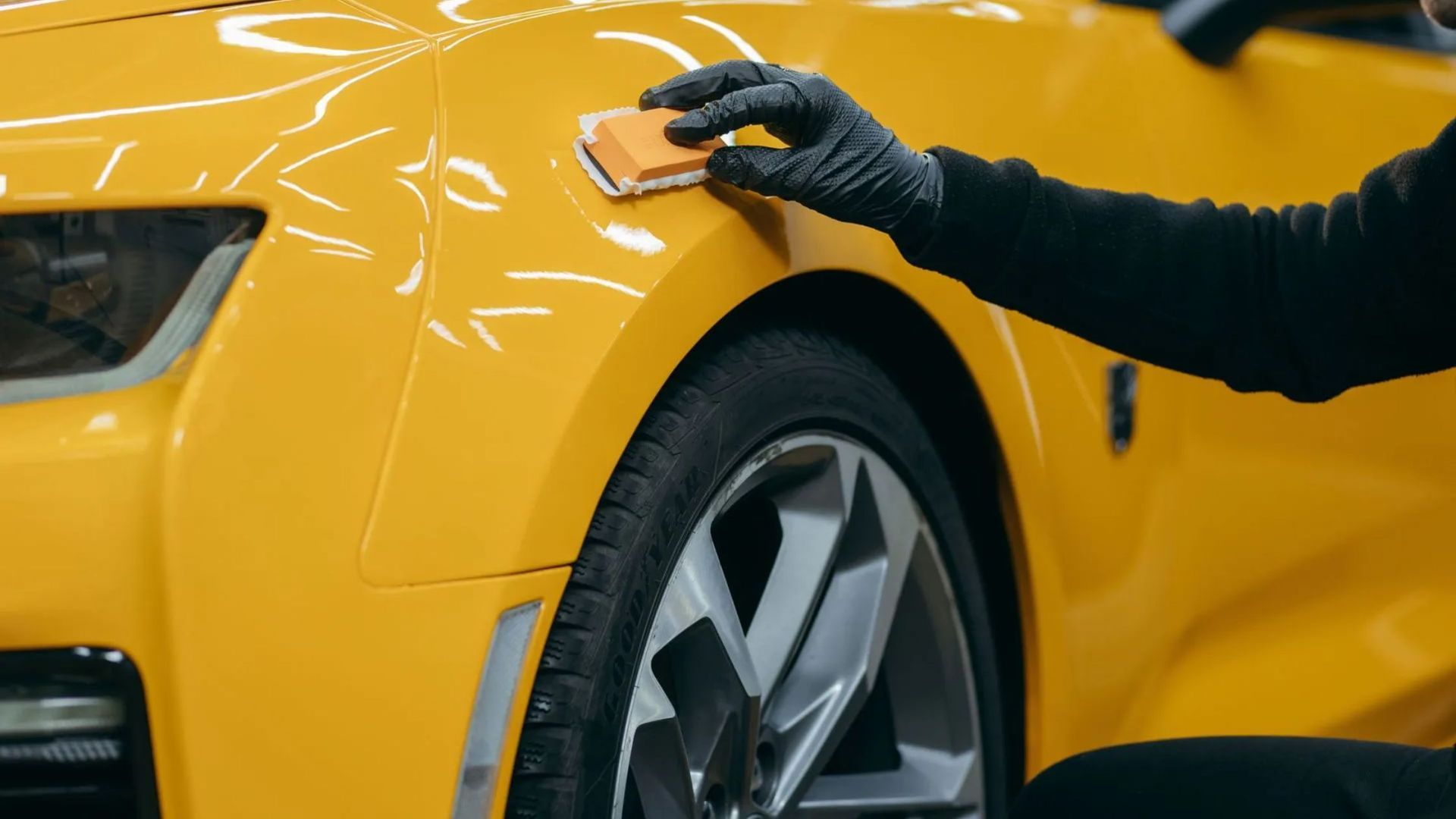
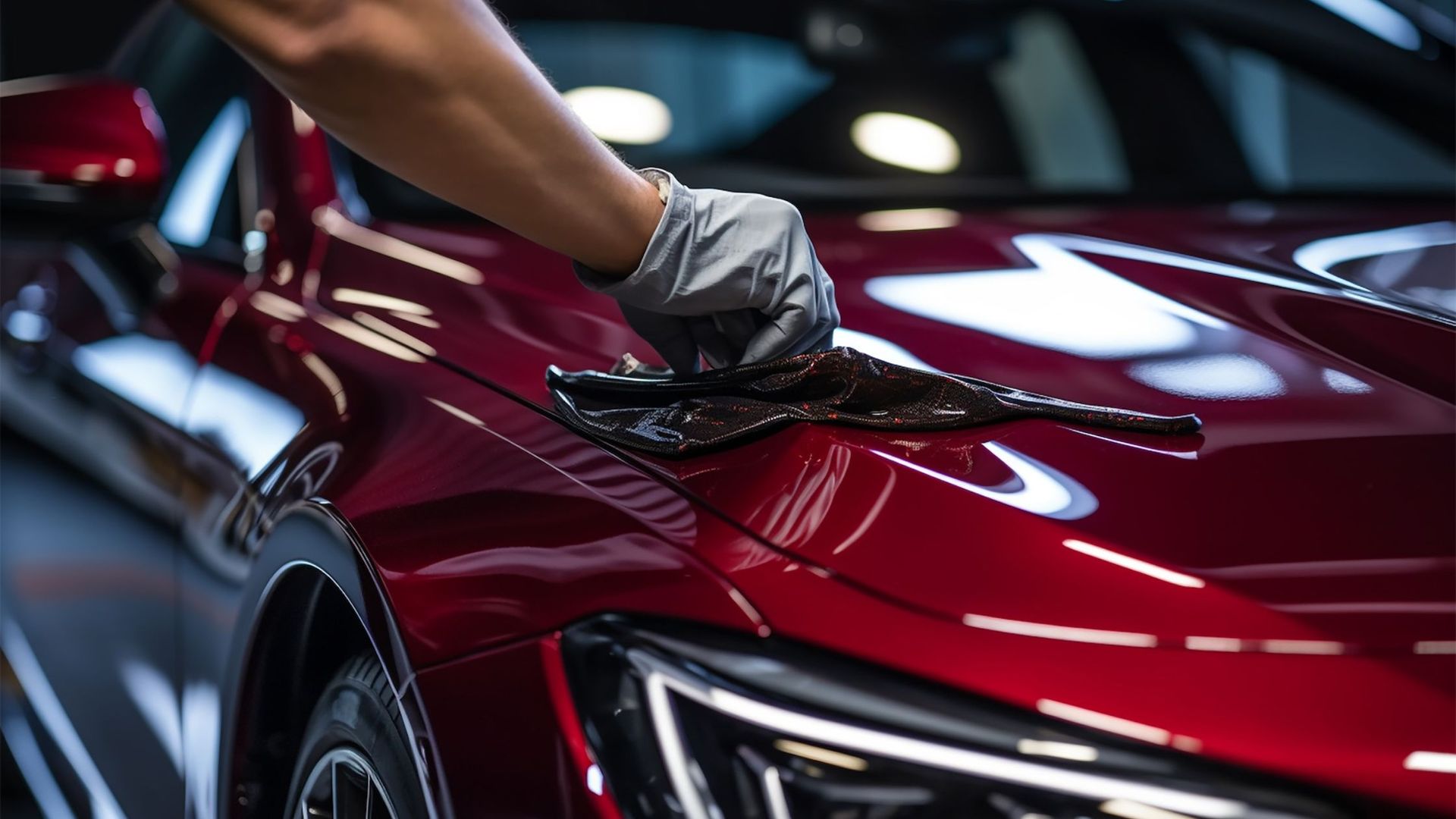
Ceramic Pro ION uses a two-component coating system designed to create a strong bond with the vehicle’s painted surfaces, while Ceramic Pro ULTIMATE ION uses a three layer system. This type of professional-grade coating does more than add shine. It helps create a slick, hydrophobic surface that makes the vehicle easier to wash while helping reduce the bonding of dirt, road grime, bug splatter, tree sap, and environmental contamination.
The easiest way to judge coating performance over time is by watching how the paint reacts to water and contamination. When a coating is performing properly, water should bead and sheet off the surface, and washing should feel noticeably easier. As the coating ages, those hydrophobic properties may gradually fade. That does not mean the coating has peeled off like wax. It usually means the top layer has worn down from washing, weather, and normal use, and the vehicle may benefit from professional maintenance, decontamination, or a coating topper.
This is why proper aftercare matters. A ceramic coating is a long-term protection system, not a maintenance-free product. Safe hand washing, avoiding harsh chemicals, removing contamination regularly, and scheduling annual Ceramic Pro inspections can help preserve gloss, slickness, hydrophobic performance, and warranty coverage.
Does Ceramic Coating in Lancaster, PA Last Forever?
No, ceramic coating should not be viewed as permanent or maintenance-free. Even high-end professional coatings are exposed to constant wear from UV rays, road salt, rain, dirt, washing friction, and environmental contamination. The coating forms a durable layer of protection over the vehicle’s clear coat, but that layer can still wear down over time.
The word “lifetime” can also be misunderstood. Some premium Ceramic Pro packages, such as Ultimate ION, may include long-term or lifetime warranty coverage when installed by an authorized Ceramic Pro professional and maintained according to Ceramic Pro’s warranty requirements. That does not mean the vehicle never needs to be washed, inspected, maintained, or refreshed. It means the coating system is backed by warranty terms when the proper installation and maintenance process is followed.
Annual inspections are required to maintain Ceramic Pro warranty coverage. During this service, the coating is inspected, professionally cleaned, and maintained to ensure it continues performing as intended. This helps preserve gloss, hydrophobic properties, and long-term protection while also keeping the vehicle’s warranty active through Ceramic Pro.
For Lancaster-area vehicles, this distinction is important. A vehicle driven year-round through Pennsylvania winters will face road salt, brine, temperature swings, gritty road film, and heavy contamination. Ceramic coating can make the vehicle much easier to clean and help preserve the finish, but it will not stop rock chips, deep scratches, or physical impact damage. For that level of protection, Paint Protection Film is the better option, especially on high-impact areas like the front bumper, hood, fenders, mirrors, and rocker panels.
Before applying a ceramic coating, proper prep work is critical. The paint should be thoroughly washed, chemically decontaminated, clay barred when needed, and machine polished to remove defects before the coating is installed. Ceramic coating locks in the condition of the paint underneath it, so applying it over oxidation, swirl marks, water spots, or bonded contamination can limit both the appearance and the lifespan of the coating.
The best results come from choosing the right protection package for how you actually use the vehicle. A daily driver, work truck, luxury SUV, weekend car, and garage-kept collector vehicle may all need different levels of prep, coating, PPF, and maintenance. That is why working with a licensed Ceramic Pro installer is valuable. The goal is not just to apply a coating, but to match the correct Ceramic Pro package to your vehicle, your driving habits, and your long-term expectations.
Understanding the True Longevity of Professional Paint Protection
Choosing a professional ceramic coating in Lancaster, PA provides a level of durability that traditional waxes and sealants cannot match. Instead of sitting on the surface for a short period of time, a professional ceramic coating bonds to the vehicle’s painted surfaces and creates a durable layer of protection designed to resist environmental contamination, UV exposure, chemicals, and road grime.
Unlike wax, which wears away quickly from washing, weather, and heat, ceramic coatings are designed for longer-term protection and easier maintenance. A properly installed coating helps maintain gloss, slickness, and hydrophobic performance for years when cared for correctly.
Professional installations also last longer because of the preparation process. Before a coating is applied, the paint must be washed, chemically decontaminated, clay barred when needed, and polished to improve the finish. This allows the coating to bond properly and helps create the glossy, smooth appearance most customers expect from a premium ceramic coating.
The end result is a vehicle that looks better, stays cleaner longer, and is easier to maintain. Dirt, road film, bugs, bird droppings, and environmental contamination are easier to remove from a coated surface, which helps reduce aggressive washing and supports better long-term paint preservation.
Comparative Analysis: Ceramic Coatings vs. Alternative Protections
Ceramic coatings sit in the middle of modern automotive protection. They last significantly longer than waxes or paint sealants and provide stronger gloss, slickness, chemical resistance, UV protection, and hydrophobic performance. However, they serve a different purpose than Paint Protection Film.
Paint Protection Film is the best choice for physical impact protection from rock chips, road debris, and light surface abrasion. Ceramic coating is best for easier washing, gloss retention, chemical resistance, UV protection, and environmental protection. For many Lancaster-area vehicles, the best protection plan combines both: PPF on high-impact areas and Ceramic Pro coating over the painted surfaces for long-term appearance and easier maintenance.
To help you visualize where ceramic coatings stand in the hierarchy of vehicle preservation, we have compiled a direct comparison of the most common protective methods.
| Protection Type | Expected Lifespan | Primary Material Base | Chemical & UV Resistance | Physical Scratch Resistance |
|---|---|---|---|---|
| Carnauba Wax | 1 to 3 Months | Natural Palm Wax | Very Low | None |
| Synthetic Sealant | 4 to 6 Months | Polymer Resins | Moderate | None |
| DIY Ceramic Spray | 6 to 12 Months | Low-Concentration SiO₂ | Moderate to High | Minimal |
| Professional Ceramic Coating | 2 to 5 Years | High-Concentration SiO₂ | Exceptional | Minor Swirl Resistance |
| Paint Protection Film (PPF) | 5 to 10+ Years | Thermoplastic Polyurethane | High | High (Self-Healing) |
While Paint Protection Film provides the highest level of defense against physical damage like rock chips, road debris, and light surface scratches, combining PPF on high-impact areas with a professional Ceramic Pro coating over the rest of the vehicle provides one of the most complete protection options available. PPF helps protect against impact damage, while ceramic coating improves gloss, hydrophobic performance, UV resistance, chemical resistance, and ease of maintenance.
Lancaster Environmental Factors That Affect Ceramic Coating Lifespan
The lifespan of your ceramic coating is influenced by how the vehicle is used, stored, washed, and maintained. In Lancaster County, common environmental factors include winter road salt, agricultural dust, pollen, rain, humidity, UV exposure, bug splatter, bird droppings, and road grime. These elements can wear down unprotected paint over time and can also affect how long a coating performs at its best.
Understanding how local driving conditions interact with your vehicle’s exterior helps set realistic expectations. A garage-kept weekend car will usually maintain peak coating performance longer than a daily driver parked outside and driven year-round through Pennsylvania winters.
The Threat of Winter Road Salt on Routes 30, 222, and 283
During Pennsylvania winters, roads like Route 30, Route 222, Route 283, and other major commuter routes are regularly treated with salt and brine. This road film can cling to lower panels, rocker panels, wheel wells, bumpers, and the rear of the vehicle.
A Ceramic Pro coating helps create a slick, chemical-resistant surface that makes salt and winter grime easier to remove during routine washing. However, ceramic coating does not eliminate the need for maintenance. If salt and road film are allowed to sit for long periods of time, they can reduce hydrophobic performance and make the coating feel less slick. Regular winter rinses and safe hand washes are important for preserving coating performance.
Agricultural Dust and Organic Debris in Lancaster County
Driving through areas like Bird-in-Hand, Intercourse, Leola, Willow Street, Mount Joy, and other rural parts of Lancaster County exposes vehicles to dust, pollen, bugs, organic debris, and road film. These contaminants can settle on the paint and become more difficult to remove when baked in by heat and sunlight. Ceramic coating helps reduce how strongly these contaminants bond to the surface, making the vehicle easier to clean. It also helps protect the clear coat from direct exposure to environmental contamination. If you notice water spots, tree sap, bird droppings, or heavy contamination starting to affect the coating’s slickness or water behavior, a professional maintenance wash or decontamination service can help restore performance.
Summer UV Exposure and Humidity
Lancaster summers bring heat, humidity, direct sun exposure, rain, and heavy pollen. Over time, UV exposure and environmental contamination can contribute to fading, oxidation, staining, and a duller finish on unprotected paint. A professional ceramic coating helps add UV resistance and environmental protection while maintaining a glossier, easier-to-clean surface. This is especially beneficial for dark-colored vehicles, daily drivers, and vehicles parked outside for long periods of time.
How to Meet Ceramic Coating Maintenance Requirements
To maximize your ceramic coating’s lifespan, Refined Auto recommends regular safe hand washing using a pH-neutral car shampoo and avoiding automatic brush car washes. For most vehicles, washing every two to three weeks is a good general guideline, though winter conditions, heavy pollen, bird droppings, bugs, or road grime may require more frequent cleaning.
At Refined Auto, we send customers home with approved maintenance recommendations so they know how to properly care for their coated vehicle. If you have questions about soaps, drying towels, spray toppers, or wash methods, our team is always happy to help.
Annual Ceramic Pro inspections are required to maintain warranty coverage. During this service, the coating is inspected, professionally cleaned, and maintained to help preserve gloss, slickness, hydrophobic performance, and long-term protection. Skipping annual maintenance may affect warranty eligibility, which is why yearly inspections are an important part of owning a Ceramic Pro coating.
The Two-Bucket Wash Method
The safest way to wash a coated vehicle is the two-bucket method. One bucket is used for pH-neutral soap, and the second bucket is used for clean rinse water. Using grit guards in the bottom of each bucket helps keep dirt and debris away from your wash mitt.
Step 1: Rinse the vehicle thoroughly to remove loose dirt and debris.
Step 2: Apply pH-neutral snow foam or car shampoo to help loosen surface film.
Step 3: Wash from top to bottom using a soft microfiber wash mitt.
Step 4: Rinse the mitt frequently in the clean water bucket before adding more soap.
Step 5: Perform a final rinse and dry the vehicle with a plush microfiber drying towel or automotive air blower.
This process helps reduce friction during washing, which is one of the best ways to avoid swirl marks and preserve long-term gloss.
Avoiding Harsh Chemicals and Automatic Car Washes
Automatic brush washes should be avoided on ceramic-coated vehicles. The spinning brushes can trap dirt and debris, creating swirl marks and fine scratches in the coating and clear coat. Over time, this can reduce gloss and make the vehicle look duller. Touchless washes are safer than brush washes from a scratch standpoint, but they often rely on stronger chemicals to clean without physical contact. Occasional use may be unavoidable for some owners, especially in winter, but routine safe hand washing is the best method for maintaining a Ceramic Pro coating.
Utilizing Ceramic Boosters and Maintenance Sprays
Ceramic maintenance sprays or approved toppers can help refresh slickness and hydrophobic performance between annual inspections. These products are designed to work with ceramic-coated surfaces and can help maintain water beading, gloss, and easier cleaning. It is important to use coating-safe products rather than traditional waxes or heavy sealants. The wrong product can leave residue, reduce slickness, or interfere with the coating’s water behavior. Refined Auto can recommend maintenance products that are safe for Ceramic Pro coatings.
Frequently Asked Questions About Ceramic Coatings
Is a ceramic coating scratch-proof?
No, ceramic coatings are not scratch-proof. A professional coating can help reduce minor wash-induced marring when the vehicle is maintained correctly, but it will not stop rock chips, deep scratches, road debris, or damage from abrasive car wash brushes.
If physical impact protection is a priority, Paint Protection Film is the correct solution. PPF is designed to absorb damage from rocks, gravel, and road debris in high-impact areas.
Can you apply ceramic coating over Paint Protection Film?
Yes, applying ceramic coating over Paint Protection Film is a great option. PPF provides physical impact protection, while ceramic coating adds gloss, slickness, hydrophobic performance, UV resistance, and easier cleaning.
This combination is ideal for customers who want maximum protection. High-impact areas can be protected with PPF, while Ceramic Pro coating can be applied over the film and surrounding painted surfaces to make the entire vehicle easier to maintain.
Does ceramic coating prevent water spots?
Ceramic coating helps reduce water spotting by making the vehicle dry quicker due to making the paint repel water, however, it does not completely prevent it. If hard water, sprinkler water, or mineral-heavy rain is allowed to dry on a hot surface in direct sunlight, minerals can still leave spots on top of the coating.
The benefit of ceramic coating is that water spots and mineral deposits are often easier to remove when addressed early. Washing regularly, drying properly, and avoiding sprinkler exposure can help reduce the risk of water spots.
How often should I wash my ceramic-coated vehicle?
Most ceramic-coated vehicles should be washed every two to three weeks, depending on driving conditions. Vehicles exposed to winter salt, pollen, bugs, bird droppings, tree sap, or heavy road film may need to be washed more often. Regular washing helps keep the coating performing properly. When contamination builds up, the coating may feel less slick or appear less hydrophobic, even though the coating itself may still be present.
Do I need to wax my car after getting a ceramic coating?
No, traditional wax is not needed after a professional ceramic coating. Ceramic Pro coatings are designed to provide long-term gloss, slickness, and hydrophobic performance without the need for short-lived waxes.
If the coating needs a refresh, it is better to use a coating-safe maintenance spray or schedule a professional maintenance service. This helps preserve the coating’s performance without covering it with products that may reduce slickness or water behavior.
Choosing a Trusted Professional in Lancaster County
When considering a professional ceramic coating in Lancaster, PA, choosing an experienced installer is important. The durability, appearance, and performance of the coating depend heavily on the preparation process before installation. Proper washing, chemical decontamination, clay treatment when needed, paint correction, and controlled application all affect the final result.
Lancaster County vehicles face a variety of conditions, from salted winter roads in Ephrata, Manheim, and Millersville to agricultural dust in Willow Street, Mount Joy, Bird-in-Hand, Intercourse, and Leola. Working with a local paint protection specialist helps ensure your vehicle receives the right level of prep, coating, and maintenance for the way it is actually used.
Refined Auto is Lancaster County’s only Ceramic Pro Elite Dealer, specializing in Ceramic Pro coatings, Paint Protection Film, window tinting, paint correction, and detailing. Our focus is on transparent education, precise installation, and customized recommendations based on your vehicle, driving habits, and long-term goals.
When you are ready to preserve your vehicle’s gloss, simplify your wash routine, and protect your paint from Lancaster-area driving conditions, contact Refined Auto to schedule a consultation or request a quote.
Refined Auto Detailing & Coatings Blog