How Can Professional Ceramic Coating Help Preserve Your Vehicle’s Factory Finish?
A professional ceramic coating can help preserve a vehicle’s factory finish by adding a durable, hydrophobic layer over a properly prepared clear coat. It enhances gloss, makes routine washing easier, and reduces how readily some grime and environmental residue cling to the surface. These benefits can support long-term appearance, but the coating does not make paint immune to scratches, rock chips, water spots, or neglect.
The quality of the result depends on inspection, surface preparation, installation, and maintenance. A coating applied over contamination or defects will not correct them. For many vehicles, the preparation stage contributes as much to the final appearance as the coating itself.
What Does “Preserving the Factory Finish” Mean?
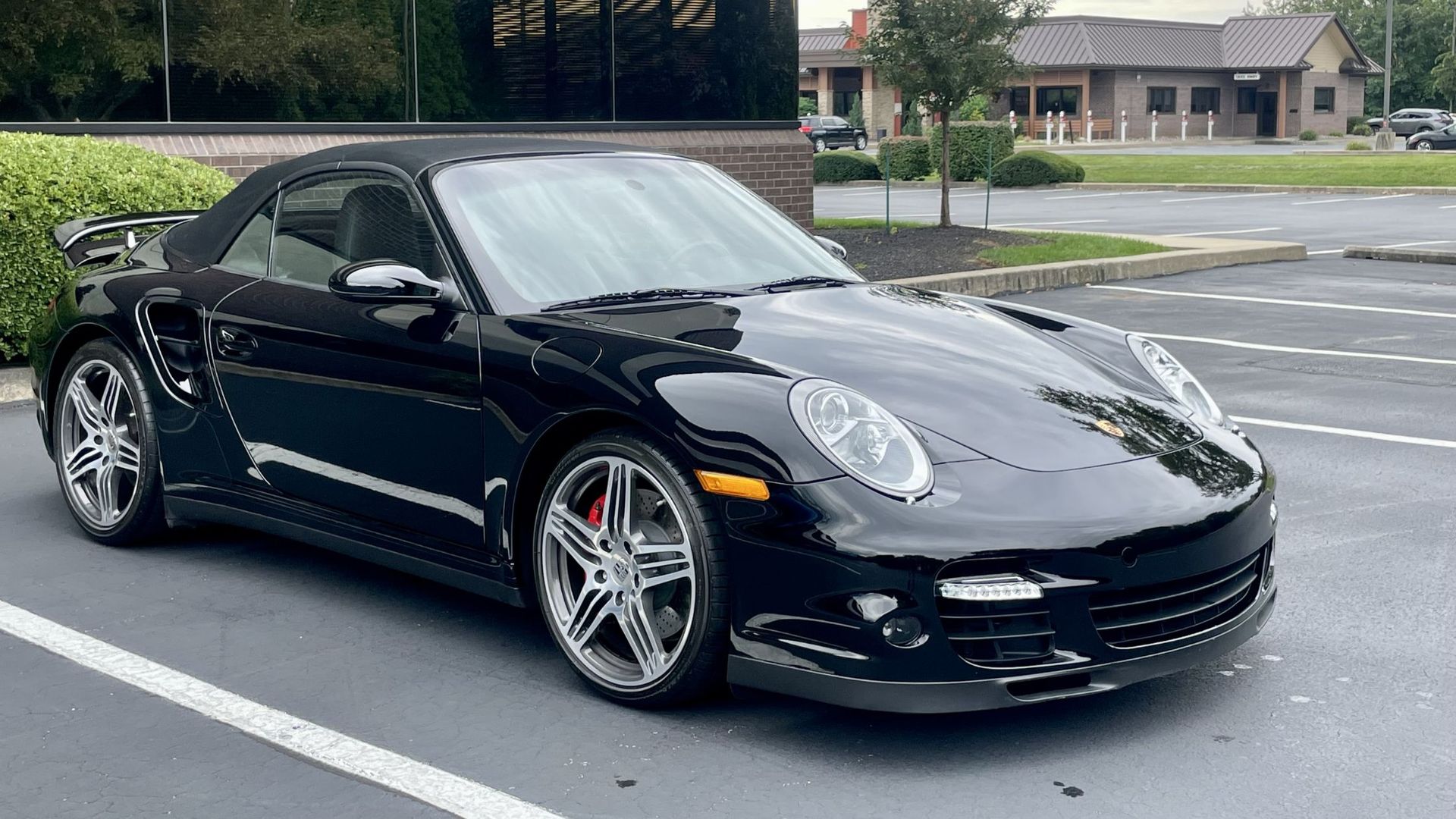
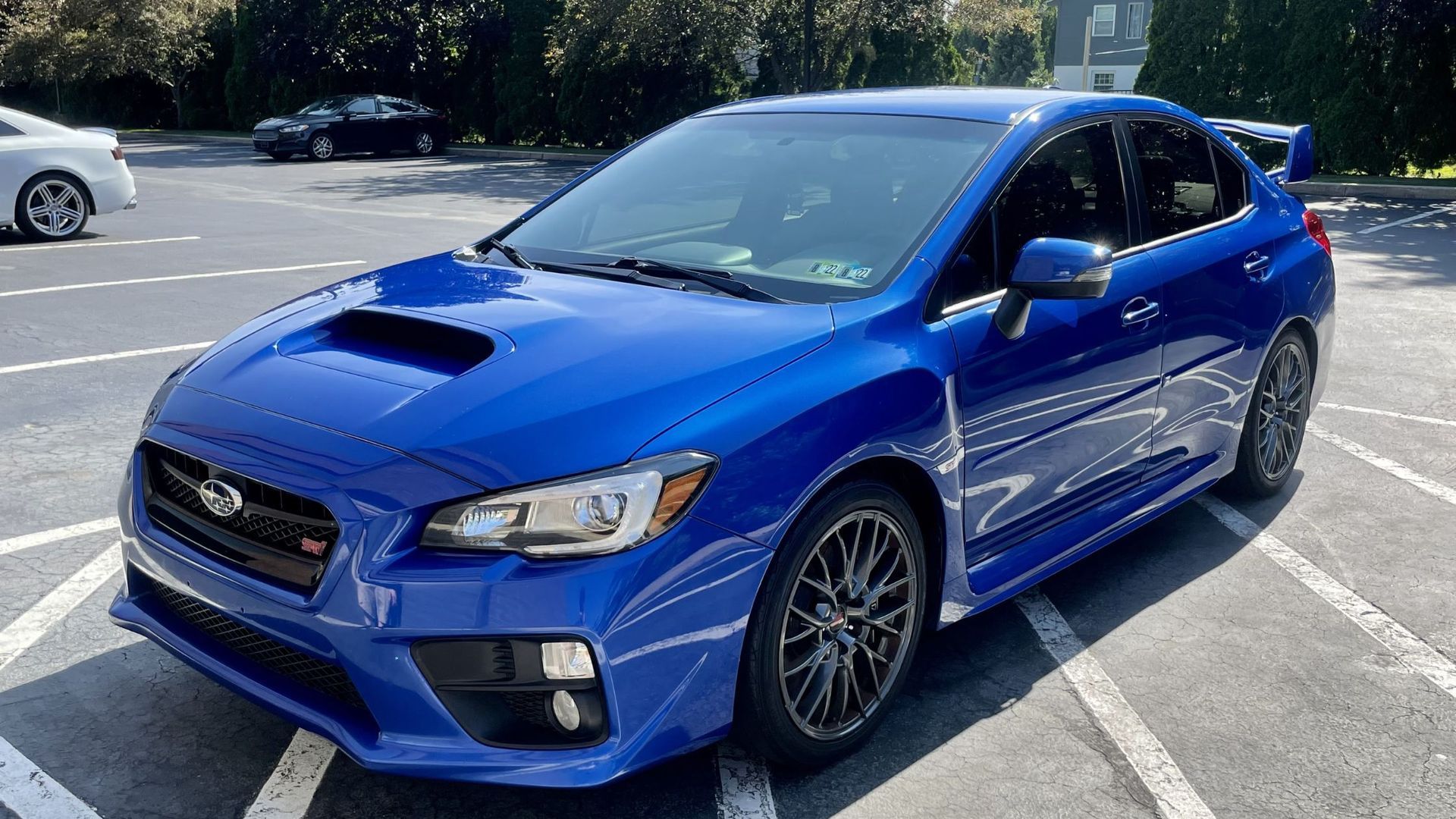
Most modern vehicles leave the factory with primer, a color base coat, and a transparent clear coat. The clear coat provides gloss and protects the pigment beneath it, but daily driving and washing expose it to sunlight, road film, bird droppings, bug residue, tree sap, salt, and fine abrasion.
Preservation does not mean freezing the paint in perfect condition forever. It means reducing avoidable wear, keeping the finish easier to clean, and using maintenance methods that do not repeatedly mar the surface. A professionally installed coating can be one part of that strategy.
How Ceramic Coating Supports Factory Paint
It Enhances Gloss and Surface Slickness
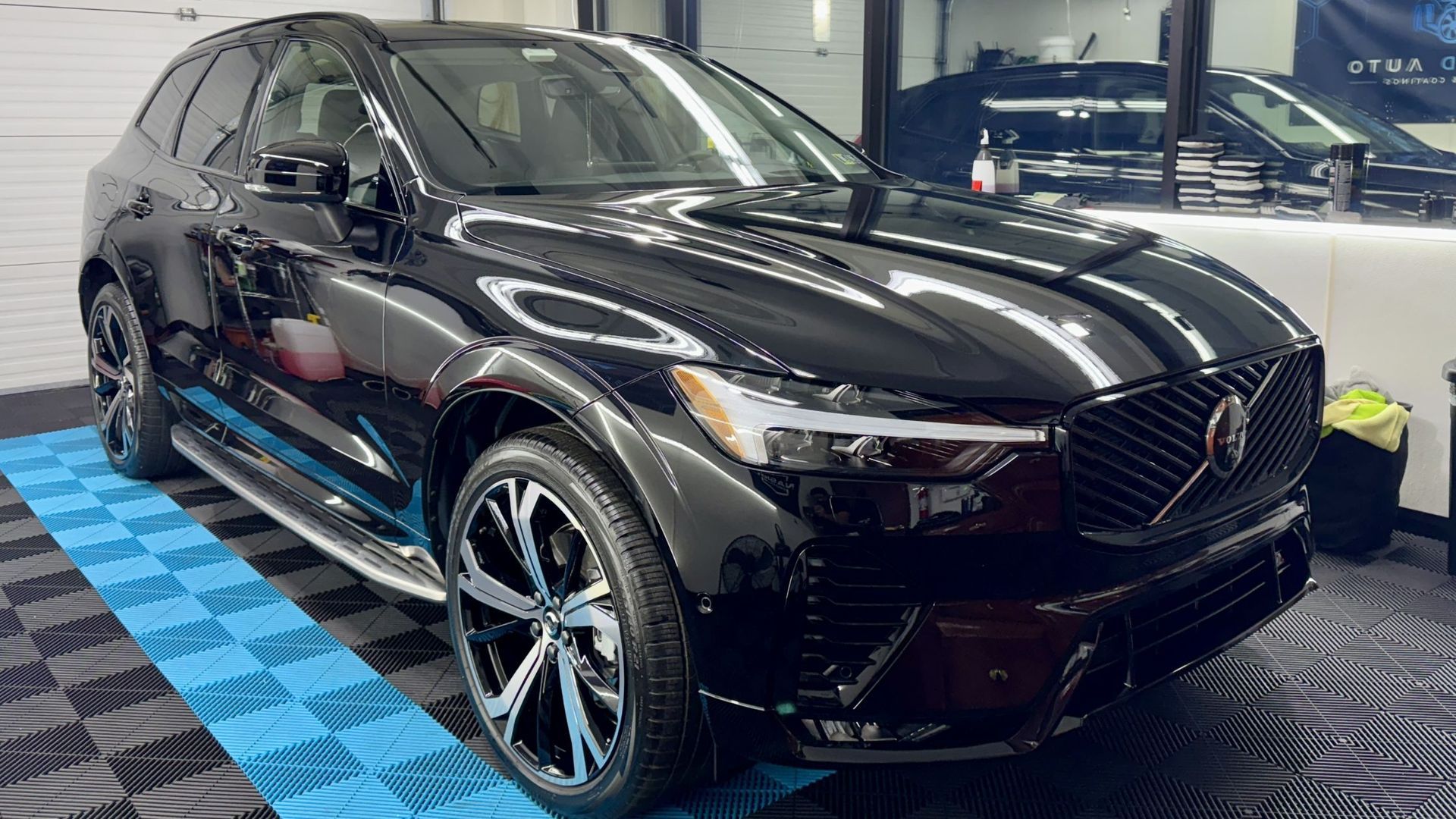
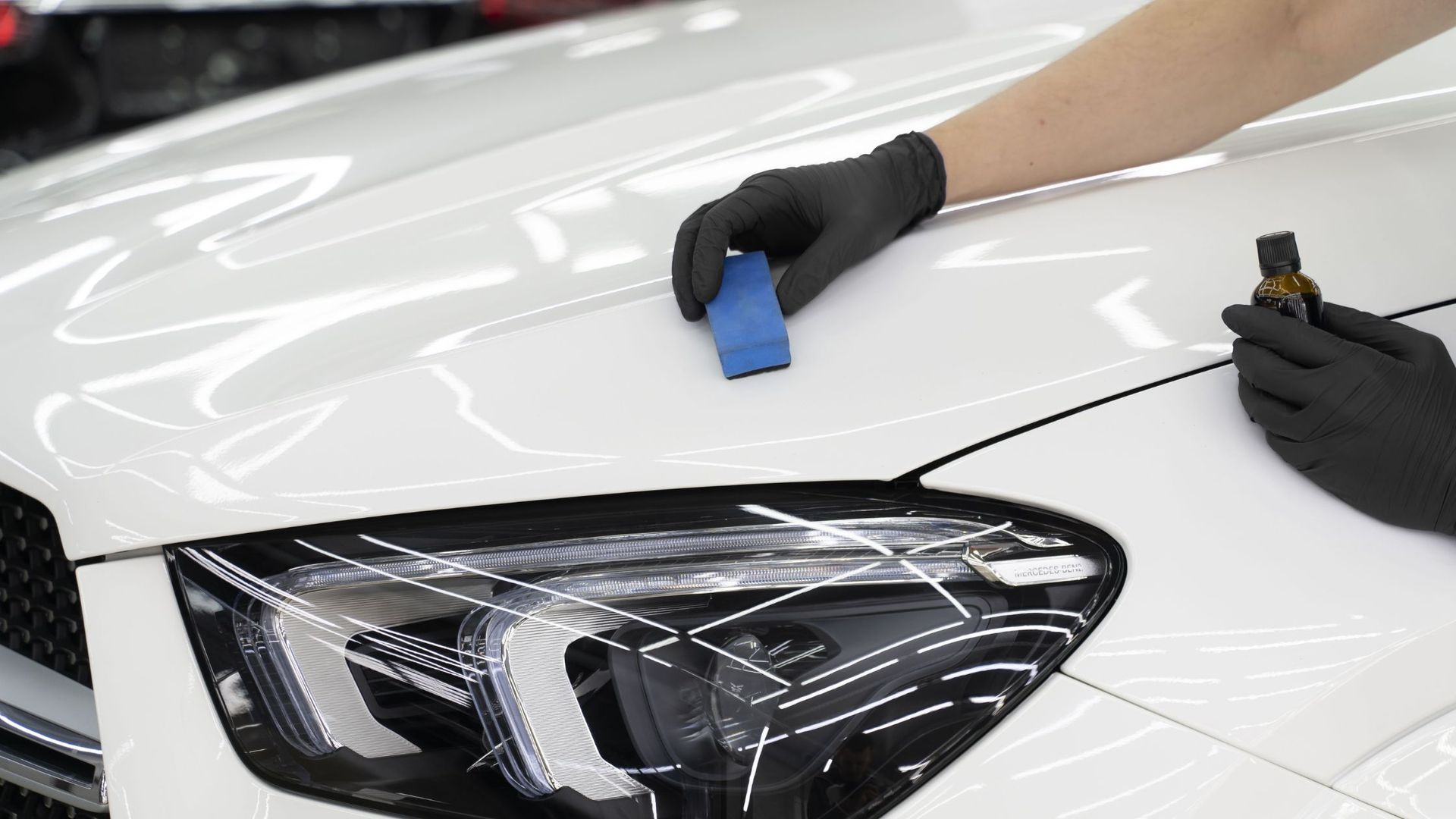
A coating cures into a thin, transparent layer that can increase reflectivity and make the surface feel slick. Because it is clear, it shows the condition of the paint beneath it. Proper preparation is therefore essential for achieving a crisp finish.
It Creates Hydrophobic Behavior
Water tends to bead and move more readily on a hydrophobic surface. This can make rinsing and drying more efficient, but droplets still need to be removed before they dry. Mineral residue can remain wherever water is allowed to evaporate.
It Makes Routine Contamination Easier to Clean
Dirt, traffic film, bug residue, and other material may release with less effort than they would from an unmaintained finish. Less scrubbing can reduce wash-induced marring when the correct tools and technique are used.
It Adds a Sacrificial Layer
The cured layer takes some exposure that would otherwise reach the clear coat directly. It can improve resistance to certain chemicals and environmental residue, but contamination should still be removed promptly and according to the installer’s care instructions.
What Ceramic Coating Does Not Do
Realistic expectations are important because no liquid coating makes a vehicle maintenance-free or damage-proof.
- It does not stop rock chips: A coating is too thin to absorb meaningful stone impacts at highway speed.
- It does not prevent every scratch: Improper washing, abrasive contact, and sharp objects can still mark the finish.
- It does not eliminate water spots: If mineral-containing droplets dry on the surface, residue can remain and may require prompt removal.
- It does not repair damaged paint: Swirls, oxidation, and etching must be addressed during preparation when safe to do so.
- It does not remove the need for washing: Traffic film and contamination still accumulate. Maintenance protects both appearance and coating performance.
Why Paint Preparation Matters Before Coating
A professional installation normally begins with a thorough wash and decontamination. The paint is then inspected under focused lighting. New vehicles may have transport marks, dealership wash marring, adhesive residue, or rail dust, while used vehicles may also have oxidation, scratches, and previous repair work.
Where appropriate, paint correction refines the clear coat before the coating is applied. The level of correction should be based on defect severity, paint thickness, budget, and the owner’s expectations. The goal is a clean, stable surface, not unnecessary removal of a clear coat in pursuit of every mark.
Ceramic Coating, Wax, Sealant, or PPF: Which Fits the Goal?
Each option solves a different problem. Wax is a short-term gloss product that is easy to refresh. A synthetic sealant generally lasts longer and can be a practical maintenance choice. A professional ceramic coating is selected for longer-term gloss, hydrophobic behavior, and easier cleaning. Paint protection film is a thicker physical barrier intended for impact-prone areas.
Drivers who commute frequently or want protection on the front bumper, hood, fenders, and mirrors may compare the coating with Ceramic Pro PPF. Refined Auto’s Ceramic Pro PPF packages include a 10-year or lifetime warranty, depending on the package selected. The dedicated PPF page contains the current coverage options, while the ceramic coating page lists available Ceramic Pro coating packages.
Some owners combine the two: film on impact zones and coating on appropriate exterior surfaces. The correct approach depends on how the vehicle is used, where it is parked, the condition of its paint, and how long the owner expects to keep it.
Is Ceramic Coating Worth Considering for a New Vehicle?
A new vehicle is a strong candidate because the clear coat has had less time to accumulate defects, but “new” does not always mean flawless. Transport, lot storage, washing, and dealership preparation can leave marring or contamination. An inspection determines whether the vehicle needs decontamination alone, a gloss-enhancement polish, or more correction before installation.
Applying protection early can make ongoing maintenance more predictable, but the owner must still follow safe washing and warranty-care requirements. The decision should be based on desired appearance, maintenance habits, parking, mileage, and budget rather than the age of the vehicle alone.
Can an Older Vehicle Benefit?
Yes, provided the clear coat is stable enough to prepare safely. Decontamination and paint correction can often improve gloss before installation. If the finish is peeling, cracked, or missing a clear coat, refinishing may be required first because a transparent product cannot restore failed paint.
How to Maintain a Ceramic-Coated Vehicle
Proper maintenance is essential for preserving gloss, hydrophobic performance, and warranty eligibility. For detailed guidance about washing, drying, approved products, and inspections, read How Do You Maintain a Ceramic Coated Vehicle
•
Follow the curing instructions:
Avoid washing or exposing the vehicle to conditions prohibited by the installer during the initial cure period.
• Wash regularly: Use a suitable automotive shampoo, clean wash media, and cool panels. Do not allow traffic to accumulate indefinitely.
• Dry the vehicle: Hydrophobic behavior does not make mineral-containing water harmless. Remove droplets before they evaporate.
• Remove contamination promptly: Bird droppings, bug residue, sap, and road salt should be handled with approved products and gentle techniques.
• Schedule required inspections: Some warranty programs require documented maintenance. Confirm the current terms for the selected package.
How Ceramic Coating May Support Vehicle Value
A clean, glossy, well-maintained exterior can make a vehicle more appealing when it is sold or traded. A professional coating may help an owner maintain that appearance and establish a documented care history. It cannot guarantee a specific resale price because value also depends on mileage, mechanical condition, accident history, demand, and the overall state of the vehicle.
Frequently Asked Questions
Does ceramic coating protect against rock chips?
No. It is not thick enough to absorb stone impacts. Drivers seeking physical impact protection should consider Ceramic Pro PPF for the relevant panels.
Does a brand-new car need paint correction?
Not always, but it should be inspected. Some new vehicles need only decontamination and a light enhancement, while others have transport or dealership marring that should be refined before installation.
Will ceramic coating prevent water spots?
No. It may change how water behaves and make maintenance easier, but mineral residue can remain wherever droplets dry. Prompt drying and proper washing are still necessary.
How long does a professional coating last?
Longevity depends on the product, package, preparation, installation, mileage, storage, maintenance, and warranty requirements. Refined Auto’s Ceramic coating page lists its current Ceramic Pro options rather than relying on a one-size-fits-all lifespan.
Can I use an automatic car wash after coating?
Brush-style washes can still introduce marring. Touchless washes avoid brush contact but may use strong chemicals. A careful hand wash with appropriate products provides better control over the finish.
Choose Protection Based on How You Use the Vehicle
Professional ceramic coating can support factory-finish preservation by enhancing gloss, improving hydrophobic behavior, and simplifying routine cleaning. Its performance still depends on preparation, realistic expectations, and consistent maintenance. Refined Auto installs Ceramic Pro coatings at its Lancaster facility and can compare coating, paint correction, and Ceramic Pro PPF based on your vehicle’s condition and driving needs. Contact the team for a vehicle-specific recommendation.
Refined Auto Detailing & Coatings Blog