What Causes Your Vehicle’s Clear Coat to Wear Down Over Time?
Automotive clear coat wear down through a combination of ultraviolet exposure, contamination, chemical staining, abrasion, and repeated maintenance. It is designed to protect the color coat beneath it, but it is not indestructible. When damage accumulates faster than the finish is safely maintained, the surface can become swirled, dull, etched, chalky, or eventually begin to peel.
Early clear-coat problems may be improved through decontamination and paint correction. Once the clear coat has cracked, delaminated, or worn through, polishing cannot replace the missing material. Understanding the difference helps vehicle owners avoid aggressive do-it-yourself fixes that can make a thin finish worse.
What Is an Automotive Clear Coat?
Most modern automotive paint systems include primer, a colored base coat, and a transparent clear coat. The clear layer provides much of the gloss you see and acts as the first line of defense against weather, washing, and contamination. Because it is transparent, defects within it change the appearance of the color below even when the pigment itself has not failed.
Clear-coat thickness varies by vehicle, panel, repaint history, and manufacturing process. That is why a fixed polishing approach is not appropriate for every car. A technician must consider the condition and history of the finish before deciding how much correction is safe.
The Main Causes of Clear-Coat Wear
Ultraviolet Exposure and Heat
Sunlight and heat gradually age automotive paint systems. Over time, prolonged exposure can contribute to fading, loss of gloss, and oxidation, especially when a vehicle spends most of its life outdoors. Horizontal surfaces such as the hood, roof, and trunk commonly show weathering first because they receive more direct exposure.
Bird Droppings, Bug Residue, Tree Sap, and Other Contaminants
Organic residue can stain or etch the clear coat, particularly when it remains on a hot panel. The safest response is prompt removal with an automotive-safe method. Scrubbing dried material or using a harsh household cleaner may create additional damage.
Improper Washing and Drying
Dirt is abrasive. When it is dragged across paint with a brush, dirty towel, or poorly maintained wash media, it can leave fine marks. Repeating that process over months or years creates visible swirl patterns and haze. Frequent aggressive compounding can also reduce clear-coat thickness unnecessarily.
Bonded Road and Industrial Contamination
Brake dust, rail dust, tar, overspray, and traffic film may attach to the surface and resist normal shampoo. Some particles can oxidize or hold grime against the finish. Proper chemical and mechanical decontamination removes these materials more safely than heavy scrubbing.
Road Salt and Winter Grime
Pennsylvania winters expose vehicles to salt, brine, mud, and moisture. These materials collect on lower doors, rocker panels, wheel arches, and the rear of the vehicle. Regular rinsing and careful washing help reduce how long corrosive residue remains in contact with painted and metal surfaces.
Inappropriate Chemicals
Strong degreasers, household detergents, acidic cleaners, and improperly diluted detailing chemicals may stain trim, weaken temporary protection, or affect the finish. Automotive products should be used according to their labels and tested cautiously when the paint history is unknown.
What Are the Warning Signs of Clear-Coat Damage?
Clear-coat wear develops in stages, and not every defect means the layer has failed. Surface contamination, light oxidation, and swirl marks may still be correctable. Peeling or delamination is a more serious structural problem.
• Rough texture after washing: The paint may have bonded contamination that shampoo cannot remove.
• Haze or circular marks in sunlight: Fine washing defects or polishing haze may be scattering reflected light.
• Persistent rings or stains: Minerals or chemical residue may have stained or etched the surface.
• Chalky or faded areas: The finish may be oxidized or approaching clear-coat failure.
• Cracking, flaking, or peeling: The clear coat has likely delaminated and normally requires body-shop refinishing.
Can a Damaged Clear Coat Be Restored?
Clear coat can often be improved when the defects are limited to the upper portion of the layer. Professional paint correction in Lancaster refines the surface with measured abrasion, reducing visible swirls, haze, light oxidation, and some etching. It does not add a new clear coat, and it cannot safely remove every deep defect.
When a clear coat is peeling or missing, correction is no longer the right service. The affected panel generally needs to be sanded and refinished by a qualified body shop. Trying to polish a failing edge can enlarge the damaged area.
How a Professional Evaluates Whether Correction Is Safe
A responsible evaluation begins with the vehicle’s history and a visual inspection under controlled lighting. The technician looks for repaint lines, sanding marks, thin edges, oxidation, deep scratches, and signs of previous correction. Paint-thickness readings can provide additional information, although they must be interpreted in context because the gauge measures the paint system rather than the clear coat alone.
A small test area helps determine the least aggressive combination that can produce a worthwhile improvement. The goal is not to chase a perfect number; it is to improve clarity while retaining enough clear coat for the future.
How to Slow Future Clear-Coat Wear
• Wash on cool panels: Shade and a cool surface give you more time to rinse soap and water before they dry.
• Use clean, soft wash media: Rinse loose debris first and avoid brush-style washes or dry wiping.
• Remove contamination promptly: Bird droppings, bug residue, sap, and salty road film should not remain on the paint longer than necessary.
• Avoid unnecessary compounding: Polishing should correct a defined problem, not become a frequent maintenance step.
• Choose protection based on the threat: Gloss and easier maintenance call for a different solution than rock-chip and impact protection.
Choosing the Right Protection After Correction
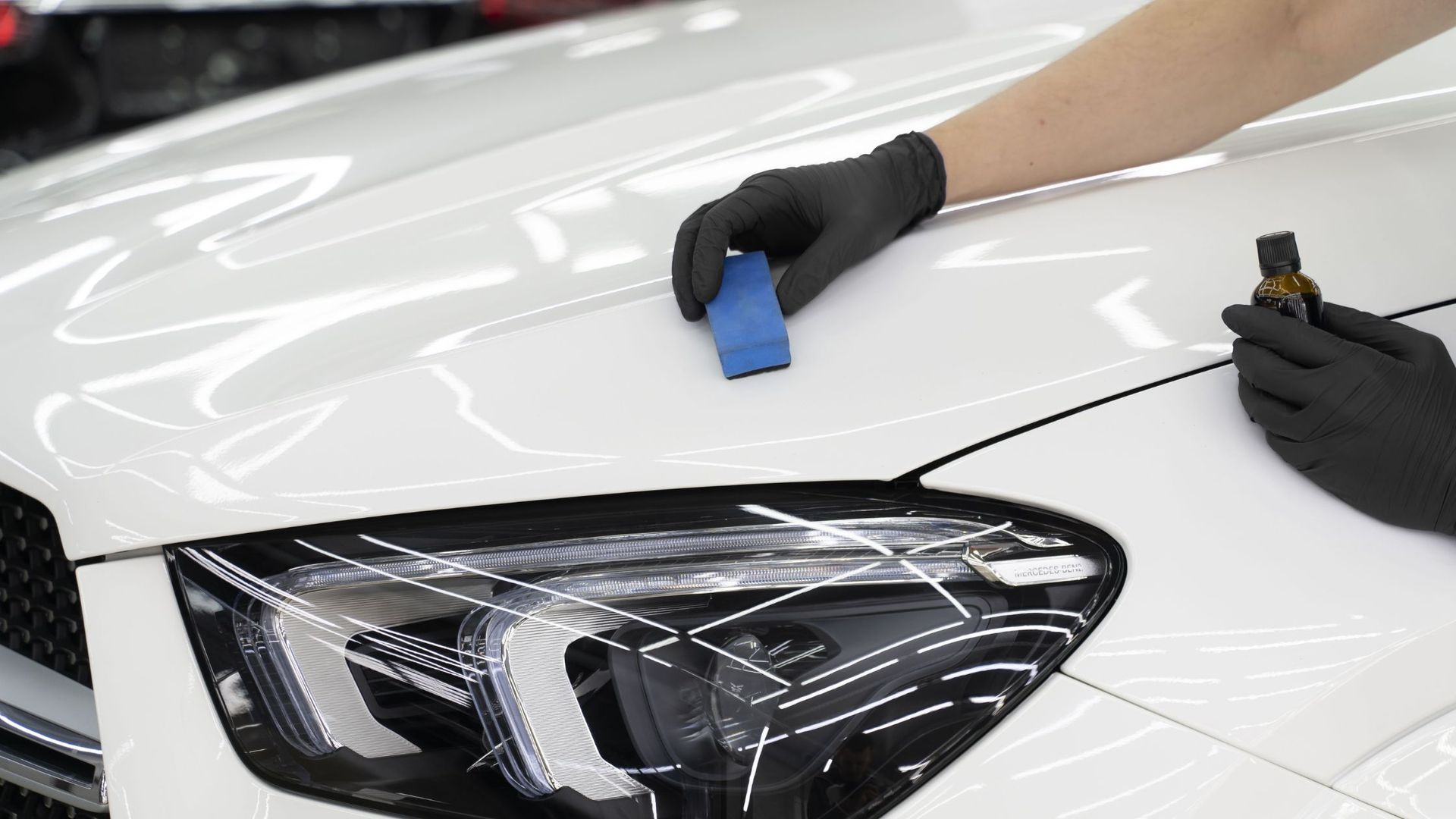
A professional ceramic coating can enhance gloss, improve hydrophobic behavior, and make routine washing easier after the paint has been prepared. It is not a substitute for correction, and it does not make a clear coat immune to scratches, stains, or poor maintenance.
For drivers concerned about rock chips and road debris, Ceramic Pro PPF provides a thicker sacrificial film over selected painted areas. Refined Auto’s Ceramic Pro PPF packages carry a 10-year or lifetime warranty, depending on the package selected. Coverage details and eligibility should be confirmed on the PPF service page or during the vehicle consultation.
Frequently Asked Questions
How can I tell whether my clear coat is failing or simply dirty?
Wash and dry the vehicle carefully, then inspect it in good lighting. Roughness may indicate bonded contamination, while haze may come from fine defects or oxidation. Peeling, flaking, or sharply defined cloudy patches are stronger signs of failure and should be evaluated before polishing.
Does paint correction replace clear coat?
No. Paint correction removes a controlled amount of damaged surface material to improve clarity. It does not add paint or repair delamination.
Can a ceramic coating fix existing scratches?
No. A transparent coating does not remove scratches and may make uncorrected defects easier to see under strong lighting. The paint should be inspected and prepared first.
Are automatic car washes always harmful?
Touchless washes avoid rotating brushes but may use stronger chemicals and may not clean as thoroughly. Brush-style washes can introduce marring when contaminated material contacts the paint. A careful hand wash gives the owner or detailer more control.
How often should a vehicle be polished?
There is no universal schedule. Polishing should be based on visible defects, paint condition, and thickness—not performed automatically every few months. Safe washing can reduce how often correction is needed.
Inspect the Finish Before the Damage Advances
Clear-coat wear is cumulative, but early haze, contamination, and surface-level defects may still be correctable. The safest next step is an inspection that separates removable contamination from defects that require polishing or refinishing. Refined Auto provides paint evaluations and correction services at its Lancaster facility. Contact the team for a vehicle-specific recommendation.
Refined Auto Detailing & Coatings Blog