
What Causes Paint Protection Film to Yellow or Discolor Over Time?
Paint protection film can yellow or discolor when the film ages, is exposed to prolonged UV radiation, develops chemical staining, or accumulates contamination on its surface. Modern Paint Protection Film is designed to resist premature yellowing, but no exterior material is completely unaffected by years of sunlight, road contamination, and improper maintenance.
It is also important to determine whether the film itself has changed color or simply looks yellow because of contamination. Hard-water deposits, road film, pollen, bug residue, and other buildup can alter the appearance of otherwise healthy PPF.
Why Does Paint Protection Film Turn Yellow?
PPF yellowing usually comes from changes within the film, adhesive, or protective topcoat. Modern thermoplastic polyurethane films are much more resistant to discoloration than older film technologies, but product quality and exposure still matter.
Common contributors include:
- Long-term UV exposure
- Aging film materials
- Chemical contamination
- Adhesive deterioration
- Heavy surface staining
- Poor maintenance
- Lower-quality film construction
Yellowing that develops unusually early may indicate a material issue rather than normal aging.
How Does PPF in Lancaster PA Resist Yellowing?
Quality ppf in Lancaster PA uses modern film technology designed to remain optically clear while protecting the paint underneath. UV-resistant materials and improved topcoats help slow the discoloration associated with earlier generations of protective film.
The Ceramic Pro PPF currently offered locally is designed for long-term exterior protection and includes warranty coverage related to manufacturer defects such as yellowing. That does not eliminate the need for proper care, but it provides greater confidence in the film's resistance to premature discoloration.
How Does UV Exposure Affect PPF?
Ultraviolet radiation can gradually break down polymers that are not adequately UV stable. Since PPF sits on exterior vehicle panels, sunlight exposure is unavoidable.
Quality film uses UV-resistant technology to slow those changes. Lower-quality or severely aged film may eventually become:
- Yellow
- Hazy
- Brittle
- Less optically clear
This process is usually gradual rather than something that appears overnight.
Can Dirt Make PPF Look Yellow Without Damaging the Film?
Yes. Surface contamination can create a yellow, brown, or dull appearance even when the polyurethane underneath remains clear.
Typical sources include:
- Road grime
- Bug residue
- Tree sap
- Pollen
- Hard-water minerals
- Traffic film
A proper cleaning and decontamination process should be considered before assuming the PPF has permanently discolored. If the clarity returns after cleaning, the issue was contamination rather than true film yellowing.
Can Chemicals Discolor Paint Protection Film?
Yes. Harsh chemicals and contaminants can stain or damage the outer surface of PPF, particularly if they remain there for extended periods.
Potential concerns include:
- Strong degreasers
- Solvents not approved for PPF
- Fuel residue
- Bird droppings
- Bug acids
- Tree sap
- Inferior car care products
Using PPF-safe products and removing contamination promptly helps reduce unnecessary chemical exposure. Please reach out to us if you’re unsure about the care care products your using and we can point you in the correct direction.
Why Does Yellowing Stand Out More on White Cars?
Transparent film sits directly over the vehicle's paint, so the underlying color affects how easily discoloration can be seen.
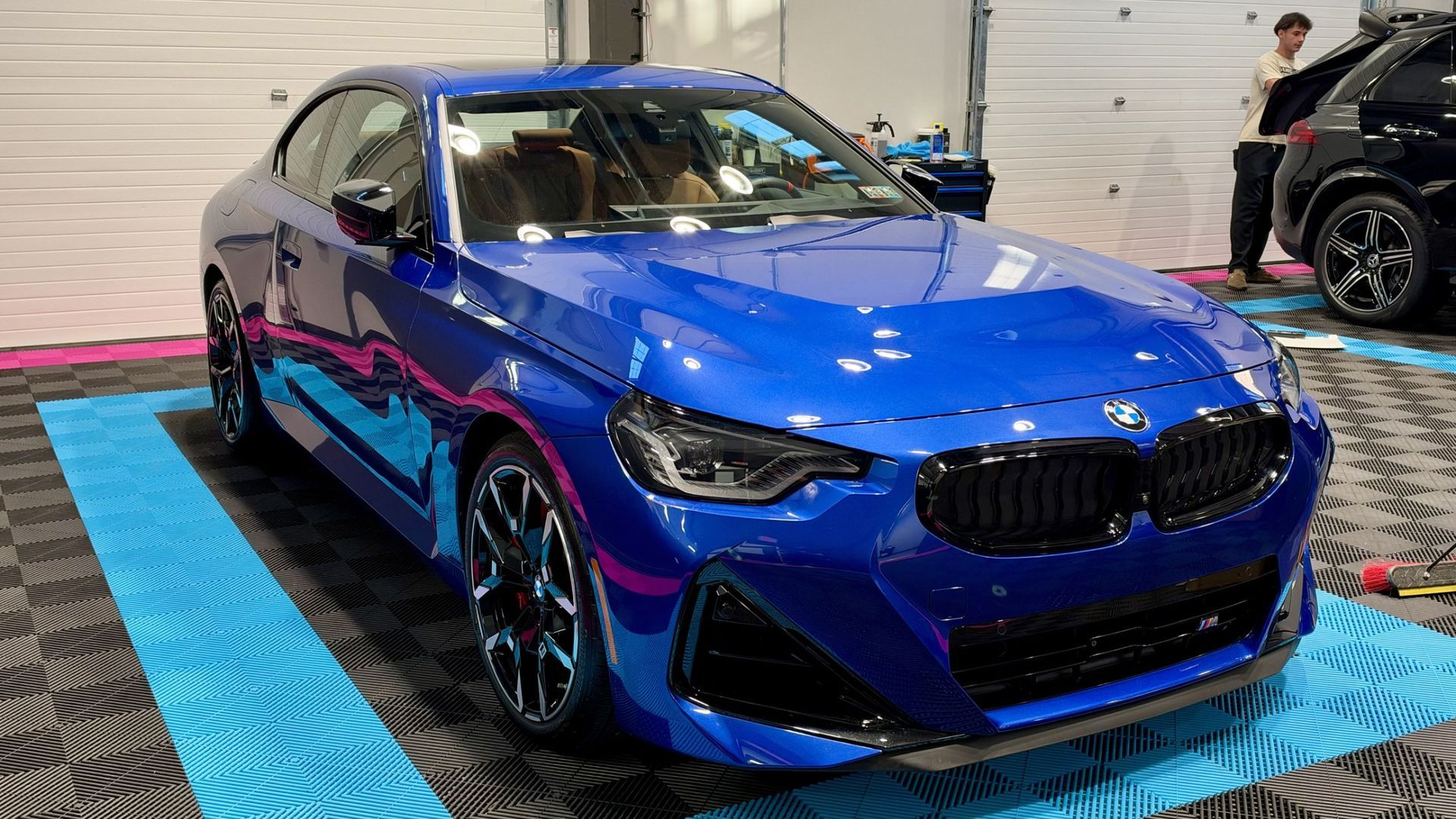
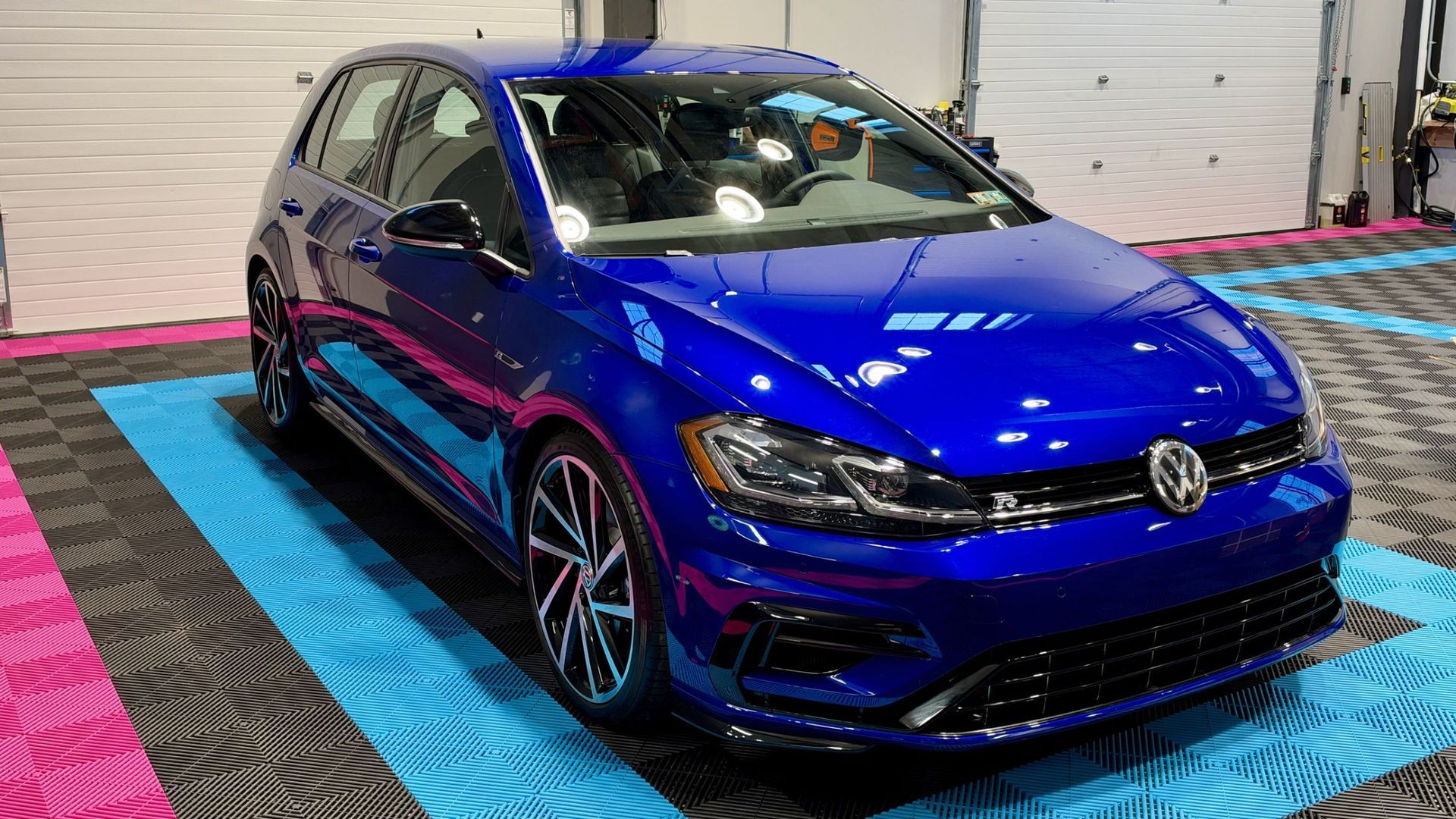
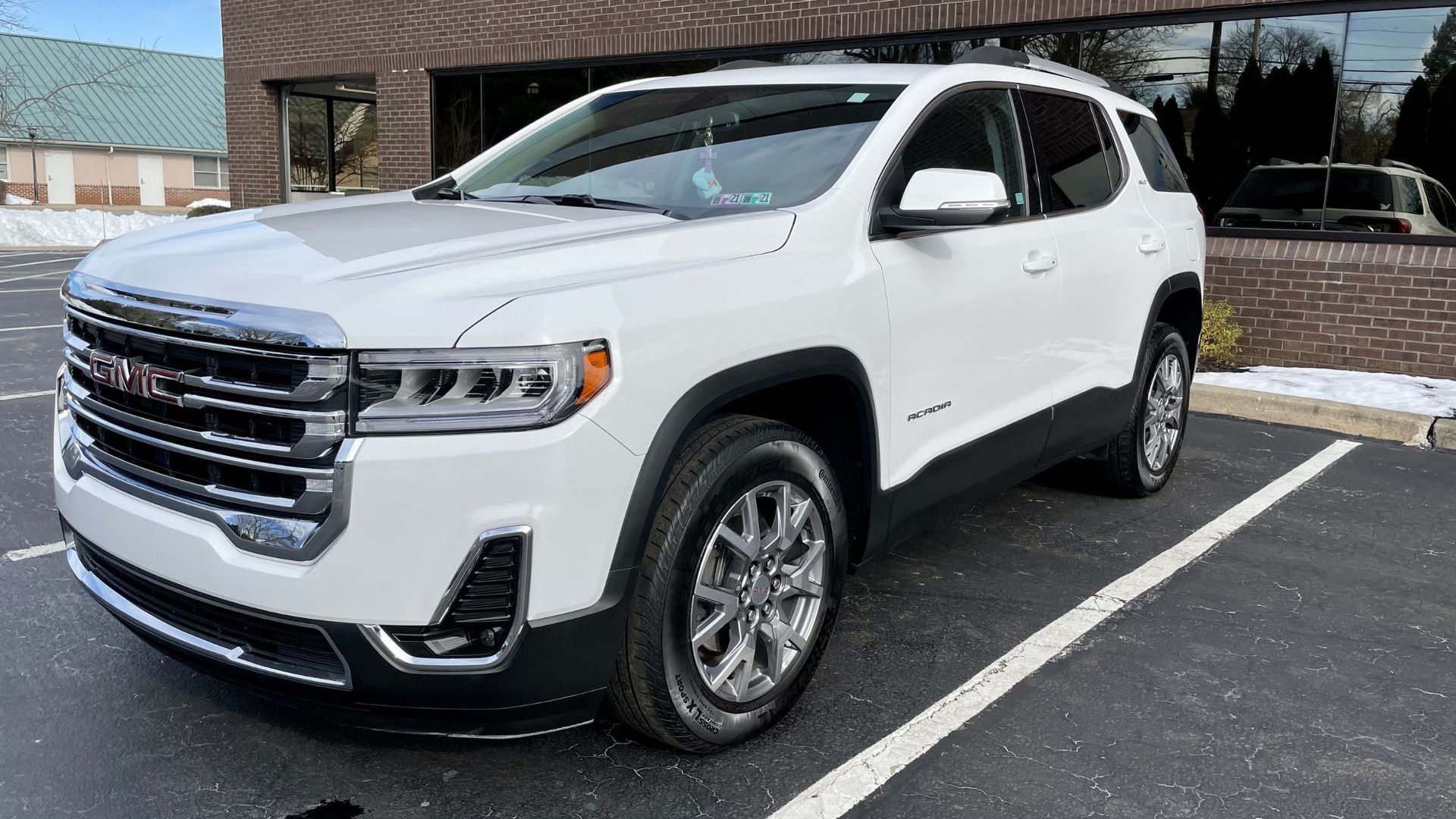
White and light-colored paint provide strong contrast against even a slight yellow tone. The same amount of discoloration may be much harder to notice over black, dark blue, or another deep color. This does not necessarily mean the film yellows faster on white vehicles. The visual difference is simply easier to detect.
Can Adhesive Cause Discolored Paint Protection Film?
Yes. In some cases, discoloration may involve the adhesive layer rather than the polyurethane surface alone.
Because PPF is transparent, a color change beneath the film can still alter the overall appearance. Modern automotive films use more stable adhesive systems specifically to reduce problems such as premature yellowing and delamination.
Can Yellow PPF Be Polished Back to Clear?
Not if the film itself has permanently changed color. Light surface staining may improve with appropriate cleaning, but polishing cannot reverse chemical changes throughout the film or adhesive. Aggressive polishing can also damage the protective topcoat.
If clean film remains visibly yellow, replacement is usually more appropriate than repeatedly trying to correct the surface.
When Should Discolored PPF Be Replaced?
Replacement becomes worth considering when discoloration remains after proper cleaning or appears alongside other signs of deterioration.
These signs can include:
- Persistent yellowing
- Haze
- Cracking
- Delamination
- Severe staining
- Brittle film
- Lifting edges
One affected panel does not automatically mean all PPF on the vehicle needs replacement. Individual sections can often be evaluated separately.
How Can You Reduce the Risk of PPF Discoloration?
Good maintenance cannot stop natural aging forever, but it can prevent avoidable staining and contamination.
Useful habits include:
- Wash the film regularly
- Remove bugs promptly
- Clean bird droppings quickly
- Avoid harsh chemicals
- Use PPF-compatible products
- Prevent mineral deposits from building up
- Avoid abrasive polishing
Regular maintenance is especially important on front-facing panels that collect large amounts of road contamination.
What Does Non-Yellowing PPF for Cars Really Mean?
The phrase non-yellowing PPF for cars generally means the film has been engineered to resist premature yellowing under normal conditions. It should not be interpreted as a guarantee that no visible change can ever occur over the entire life of the film.
Modern films provide significantly better UV and chemical stability than older protective-film technologies, but long-term appearance still depends on film quality, installation, exposure, and care.
FAQs About PPF Yellowing
Can hard water permanently stain PPF?
It can if mineral deposits are allowed to remain and etch the surface. Removing water spots early reduces the chance of lasting marks.
Does parking in a garage help PPF remain clear longer?
Yes. Garage storage reduces overall exposure to UV radiation, environmental contamination, and extreme surface temperatures.
Can only one discolored panel of PPF be replaced?
Yes. Individual PPF sections can often be replaced without removing healthy film elsewhere on the vehicle.
Does yellow PPF mean the paint underneath is damaged?
Not necessarily. The film can discolor while the protected paint remains in good condition underneath.
Can ceramic coating help keep PPF cleaner?
A compatible coating can make contamination easier to remove and improve hydrophobic behavior, although it does not make the film permanently immune to staining or aging.
Keep Clear Film Looking Clear
PPF discoloration can result from UV exposure, contamination, film aging, or chemical damage, but modern quality films are designed to resist premature yellowing much better than older products.
For drivers considering ppf in Lancaster PA, Refined Auto installs Ceramic Pro PPF designed for long-term vehicle protection and backed by applicable warranty coverage. Its 5 Star Google Rating provides an additional trust signal for local vehicle owners. If your existing film is beginning to discolor or you are considering new protection, contact us to discuss the condition of your vehicle.
Refined Auto | Ceramic Pro Lancaster Blog